

Data Migration
Future-proof your business with efficient data migration
solutions that ensure smooth transitions, secure transfers,
and seamless integration across platforms.
Data Migration
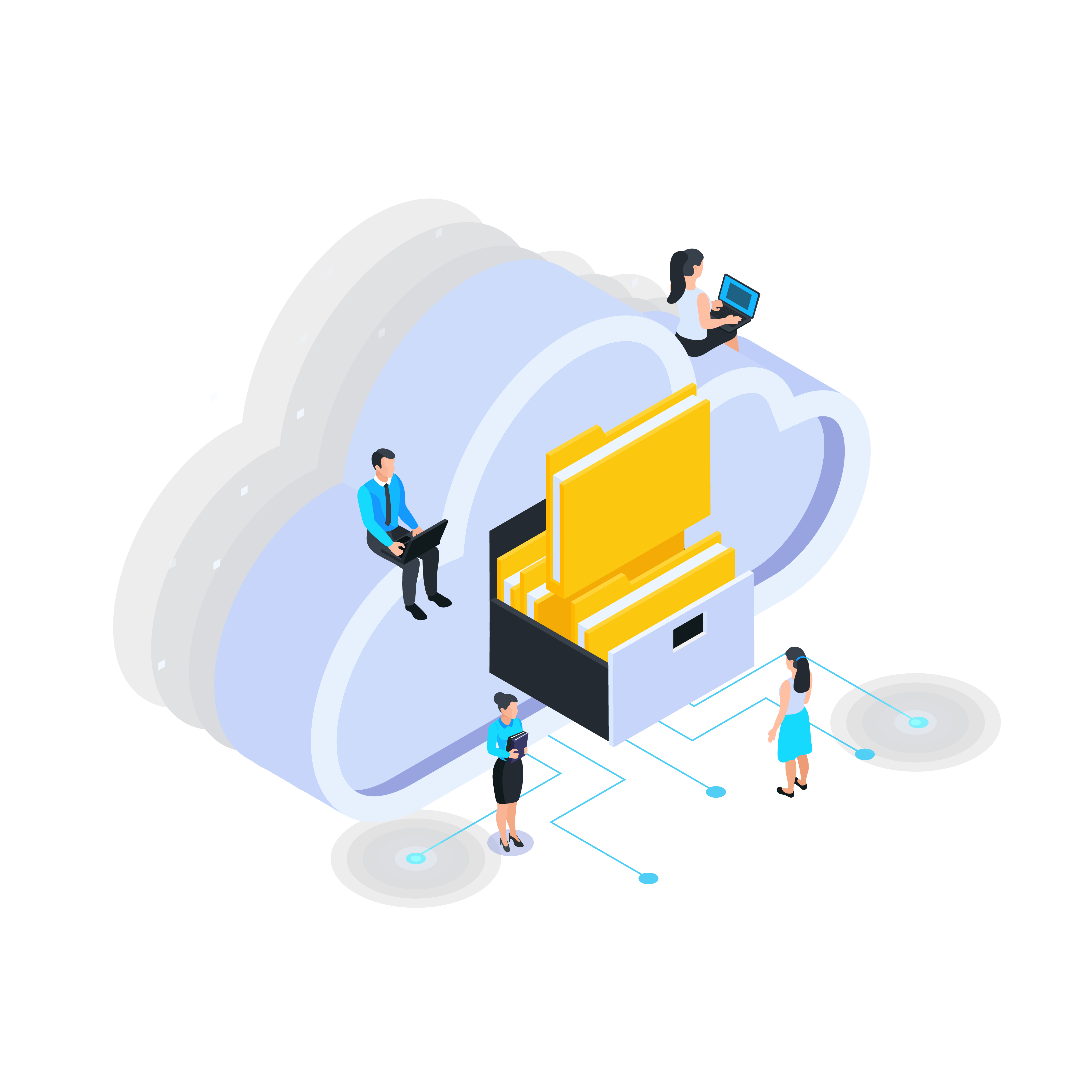
Our services ensure a seamless transition of your data to new platforms and systems. We utilize a comprehensive approach that includes detailed assessment, meticulous planning, and execution using cutting-edge ETL tools.
Our expert team has successfully managed migrations across various industries, minimizing risk and ensuring data integrity. Post-migration, we offer training and support to help you maximize your new system's capabilities. It’s beneficial to your business by providing enhanced efficiency, cost reduction, effective risk management, and improved security.
What we Offer
Our Method of Data Migration
Plan the Migration
Identify why the migration is necessary and understand the data structure, volume, and formats in the source and target systems. Involve key stakeholders, including IT teams, business users, and data owners, and include timelines, milestones, roles, and responsibilities.
Data Assessment and Profiling
Assess the quality, structure, and dependencies of the source data and identify the data gaps. Remove duplicates, fix inconsistencies, and ensure data quality.
Design the Migration
Define the mapping rules, i.e., map fields from the source system to the target system. Specify the transformations needed to align data with the target schema and select migration tools or frameworks for automation.
Test the Migration
Set up a sandbox for trial runs and use a subset of data to validate mapping, transformation, and load processes. Verify the results to ensure data integrity, accuracy, and consistency in the target system.
Execute the Migration
Create a full backup to prevent data loss. Execute the migration in phases or batches to reduce risk. Track the performance and resolve issues in real-time.
Validate the Migration
Compare the source and target data to confirm accuracy and completeness. Involve end-users to validate data usability and correctness in the target system. Address any data mismatches or errors.
Optimize and Finalize
Optimize the target system for performance and switch from the old system to the new system after successful validation. Decommission old systems if no longer needed.
Post-Migration Activities
Monitor the new system for issues and provide training for end-users on the new system. Document the migration process, including issues and resolutions for future reference.